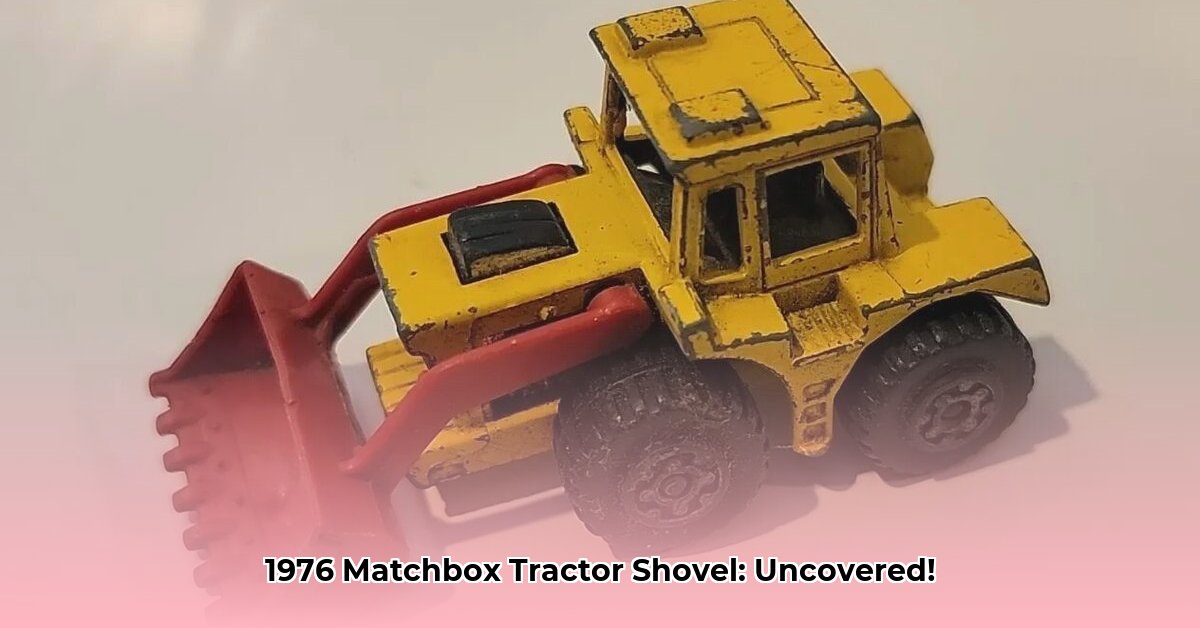
This definitive collector's guide delves into the fascinating world of the Matchbox Tractor Shovel, correcting the commonly cited 1976 debut to its actual 1977 release. We'll explore the subtle yet significant variations that make these miniature marvels so captivating to collectors, from chassis codes and wheel types to color schemes and tampo printing. Whether you're a seasoned enthusiast or just beginning your collecting journey, this guide provides the knowledge to identify, assess, and appreciate these iconic toys. For more detailed information on die-cast tractors, check out this helpful resource.
Identifying Key Variations: A Detailed Examination
The Matchbox Tractor Shovel's enduring appeal stems from its surprising diversity. While seemingly simple, close inspection reveals a wealth of variations. This section details the key features that differentiate these models, providing the knowledge necessary for discerning collectors.
Casting Variations: Subtle Differences, Big Impact
The Tractor Shovel's casting (the metal mold used to create the toy) reveals significant details. Did your shovel come with a tow hook? Its presence or absence is a crucial element. Early models frequently omitted this feature. Beyond the tow hook, minor mold variations, often subtle differences in the engine, grille, or driver figure, can indicate differing production runs or even factory of origin. These seemingly insignificant variations are highly sought after by serious collectors. Have you ever noticed the minute differences in the driver's facial features between two seemingly identical shovels?
Wheel Variations: A Rolling History
The wheels themselves offer valuable clues. Differences in material composition and design are not merely aesthetic; they reflect shifts in manufacturing processes and sourcing over the years. Careful examination is needed to detect minute variations in size, spoke design, and even the tire texture. These small details, often overlooked, provide a pathway to understanding the model's production history.
Base Codes: Decoding the Manufacturing Mystery
The often-overlooked base code, a tiny marking on the underside of the toy, holds a wealth of information. This cryptic code reveals details about manufacturing location and production run. For example, “E24” commonly signifies production in England, while “F13” often represents Thailand. Did you know that deciphering these base codes can pinpoint a shovel's origin down to a specific factory and year? Knowing these codes is crucial for accurately identifying and valuing your Tractor Shovels.
Color Schemes and Tampo Printing: A Kaleidoscope of Variations
Color variations are a hallmark of the Matchbox Tractor Shovel. The most common color combinations include yellow and red bodies, but myriad alternatives existed, some extremely rare. The tampo printing (the applied decals) also show variations over time, changing designs and colors, often reflecting marketing campaigns or changes in production.
Rarity and Value: Assessing Your Treasure
The value of a Matchbox Tractor Shovel is influenced by several factors. Rarity, driven by limited production runs and specific color combinations, plays a significant role. Condition is paramount; a pristine example in its original packaging commands a far higher value than one showing signs of wear. The presence of accessories, such as trailers or extra attachments further enhances value. While providing exact pricing is impossible in a general guide, understanding these factors empowers collectors to make informed judgments on their collection's worth.
What factors contribute most to the overall value of these classic toys? The answer lies in the interplay of rarity, condition, originality, and even provenance.
Collecting Tips: Building Your Dream Collection
This section offers practical advice for building and maintaining your collection.
Thorough Research: Utilize online resources, forums, auction sites, and dedicated collecting guides to inform your collecting practices.
Authenticity Verification: Learn to spot fakes and reproductions, which are increasingly common. Pay attention to casting details and tampo quality.
Storage and Preservation: Protect your valuable toys from damage. Store them in cool, dry places, away from direct sunlight, ideally in protective cases.
Detailed Documentation: Maintain comprehensive records of your collection, including high-quality photographs and detailed notes on each model's features and provenance.
Conclusion: A Continuing Legacy
The enduring appeal of the Matchbox Tractor Shovel lies in its blend of simplicity, playability, and unexpected variation. Understanding its production history and the subtle differences among models transforms collecting from a simple hobby into an engaging pursuit of knowledge and discovery. This guide provides a solid foundation; the journey of discovery continues with diligent research and the thrill of the hunt for the next rare addition to your collection. Happy collecting!